
Building on a Sloped Lot: Engineering Your Southwest Colorado Home
From foundation engineering to final walkthrough — how we build lasting homes on Southwest Colorado's mountain terrain.
Foundation Types for Sloped Mountain Lots
Every sloped lot in the San Juan Mountains presents a unique engineering puzzle. The foundation system we recommend depends on your specific grade, soil composition, and how you want to use the lower levels of your home. Here's what we've learned building on slopes across Pagosa Springs, Durango, and the surrounding mountain communities.
Stepped Footings
Stepped footings follow the natural grade of the hillside, with each section of the foundation "stepping" down the slope. This is our go-to approach for moderate grades — typically 10–20% — where the soil is stable and bedrock isn't too deep. In the Pagosa Springs area, stepped footings work particularly well on the granitic soils common above town. They're cost-effective and allow us to keep excavation to a minimum, which matters when you're moving dirt on a mountain site where every truckload has to navigate steep access roads.
Pier and Beam / Caisson Systems
When slopes exceed 20% or soils are unstable, we drill caissons — reinforced concrete piers — down to bedrock. This is the standard for steep terrain around Durango and throughout La Plata County, where we frequently encounter mixed soils with clay pockets that can shift seasonally. Pier and beam systems elevate the structure above the grade, reducing excavation and giving us precise control over the building's level plane. They're more expensive upfront but often the only safe choice for building on a sloped lot with challenging soil conditions.
Walkout Basement Foundations
Walkout basements are arguably the biggest advantage of building on a sloped lot. The uphill side sits below grade like a traditional basement, while the downhill side opens at ground level with full-height doors and windows. In Southwest Colorado, we design hillside walkout basement house plans that capture panoramic mountain views from the lower level — turning what would be dead space on a flat lot into prime living area. The key is managing hydrostatic pressure on the uphill wall with proper waterproofing and a robust drainage system behind the foundation.
Drainage and Hydrostatic Pressure Management
No hillside foundation lasts without proper drainage engineering. Water running downhill generates hydrostatic pressure against foundation walls — and in our area, spring snowmelt sends significant volumes of water through the soil for weeks at a time. We install perimeter French drains, waterproof membranes, and grade swales to direct water away from the structure. On steeper sites near Bayfield and Arboles, we sometimes add curtain drains uphill of the home to intercept groundwater before it reaches the foundation.
Wondering Which Foundation Is Right for Your Lot?
We've engineered foundations on hundreds of sloped sites across La Plata and Archuleta counties. Let's evaluate yours.
The Cost of Building a House on a Hill
Building a house on a hill costs more than building on flat ground — that's a straightforward reality. The question is how much more and where that money goes. After years of building custom homes throughout the San Juan Mountains, we can break down the real numbers so you can plan with confidence.
Excavation and Site Prep
Excavation on a sloped lot in the San Juan Mountains typically runs $25,000 to $60,000, compared to $8,000–$15,000 on flat terrain. The steeper the grade, the more material needs to move. Rocky sites near Pagosa Springs may require blasting or hydraulic hammering, which adds to the cost. We also factor in stabilization — cut-and-fill operations where we carve into the uphill side and use that material to build up the downhill pad. Retaining walls to hold these cut slopes can add another $15,000 to $40,000 depending on height and length.
Utility Trenching Challenges
Running water, sewer, electric, and gas lines to a hilltop or mid-slope building site costs significantly more than flat-lot connections. Uphill lots require pump systems for sewer or longer gravity-fed runs to reach the main. Downhill lots face the opposite problem — utility services at the road may need to cross significant elevation changes. In rural areas outside Durango, well drilling and septic engineering on slopes add $20,000–$50,000 to the budget. We've seen utility work alone account for 8–12% of total construction cost on challenging mountain sites.
Slope and Square-Foot Costs
As a general rule, every 5% of slope adds roughly 5–8% to your per-square-foot construction cost. A home that might cost $350 per square foot on a flat Durango lot could run $400–$425 on a 15% grade and $450+ on grades above 25%. These increases come from structural steel, deeper foundations, specialized forming, crane work for material placement, and the simple reality that everything takes longer when your jobsite is tilted. That said, sloped lot house plans that work with the terrain rather than fighting it can minimize these premiums significantly.
The Value Equation
While building a house on a hill costs more upfront, sloped lots in Southwest Colorado consistently command premium resale values. The views, privacy, and natural drainage that come with elevation are assets that flat lots simply can't replicate. Our down slope house plans are designed to maximize livable square footage — particularly through walkout lower levels — so you get more usable space per construction dollar than a comparable multi-story home on flat ground.
Planning Your Mountain Home Site
Building on a sloped lot requires more upfront planning than flat terrain — but that planning is what separates a home that thrives on its site from one that fights it for decades. Here's how we approach site planning for every hillside project.
Solar Orientation and Views
In Southwest Colorado, south-facing slopes get the best solar gain for passive heating — a real advantage at 7,000+ feet where heating costs matter. We orient the home to capture both sun and views, which often means angling the floor plan rather than setting it square to the lot lines. North-facing slopes stay cooler and retain snow longer, requiring different foundation and drainage strategies. Our sloped lot house plans account for solar path, prevailing winds, and the view corridors that make mountain living worth it.
Access and Driveway Design
Your driveway on a sloped lot isn't just an afterthought — it's a critical engineering element. In Archuleta and La Plata counties, we need driveway grades under 10% for year-round access, which often means switchback designs on steeper properties. Snow and ice make steep driveways dangerous, so we incorporate radiant heating or proper drainage to keep surfaces clear. The driveway alignment also determines where heavy equipment can access the building pad during construction, which directly affects your building cost.
Erosion Control During Construction
Mountain construction sites are highly vulnerable to erosion, particularly during our intense summer thunderstorms. Archuleta County requires erosion control plans for any site disturbance on slopes over 15%. We install silt fencing, straw wattles, and temporary detention areas before breaking ground. After construction, we re-vegetate disturbed areas with native grasses and wildflower mixes adapted to our altitude. Proper erosion control protects not just your property but the waterways and neighboring lots downhill.
Wildfire Defensible Space
Most sloped lots in our area fall within the wildland-urban interface, making defensible space a code requirement and a practical necessity. We integrate fire-resistant materials — metal roofing, fiber cement siding, tempered glass — into the design from day one. The site plan includes Zone 1 clearance (15 feet of non-combustible landscaping) and Zone 2 fuel reduction out to 100 feet. Building on a sloped lot actually gives us advantages here: the downhill side naturally creates separation from approaching fire.
Continue Your Research
Building on a sloped lot is one piece of the custom home puzzle. These guides cover the other decisions you'll face.
Cost to Build a Custom Home in Colorado
Complete breakdown of construction costs per square foot, timelines, and budgeting strategies for Southwest Colorado builds.
Read the guide →Design-Build vs. General Contractor
Compare delivery methods and learn why design-build streamlines hillside projects where coordination between architect and builder is critical.
Read the guide →Mountain Home Snow Load Engineering
Structural requirements for roofs and decks at altitude — essential reading for anyone building in the San Juan Mountains.
Read the guide →Sloped Lot Projects in Southwest Colorado
See how we've turned challenging mountain terrain into stunning custom homes throughout Pagosa Springs, Durango, and the surrounding communities.
Our Recent Work
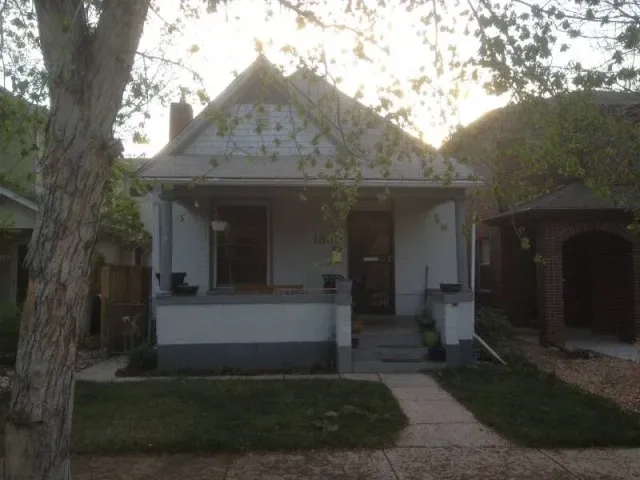
Small Residential Home Before Major Renovations
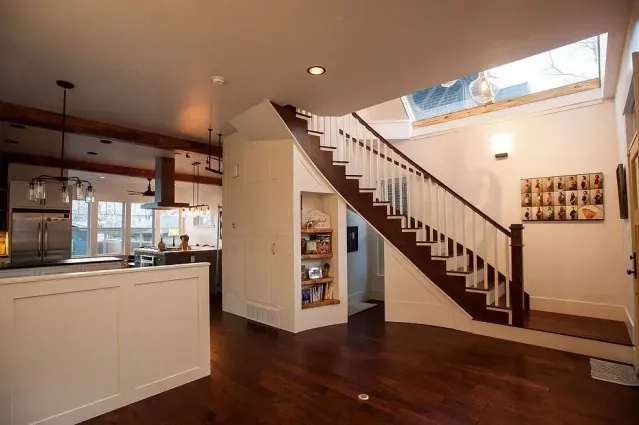
Modern Interior Design with Custom Staircase
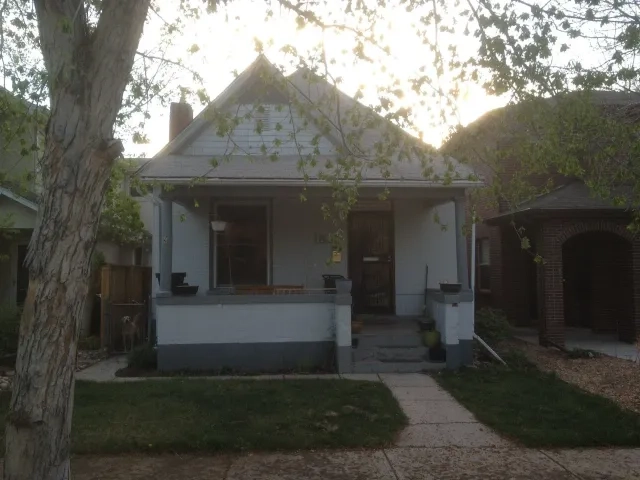
Small Residential Home Before Major Renovations
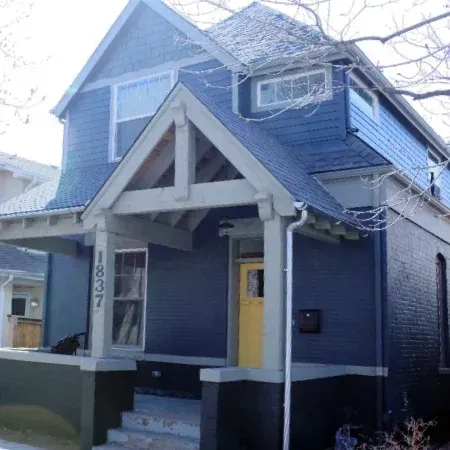
Modern Blue Exterior Home Renovation Project
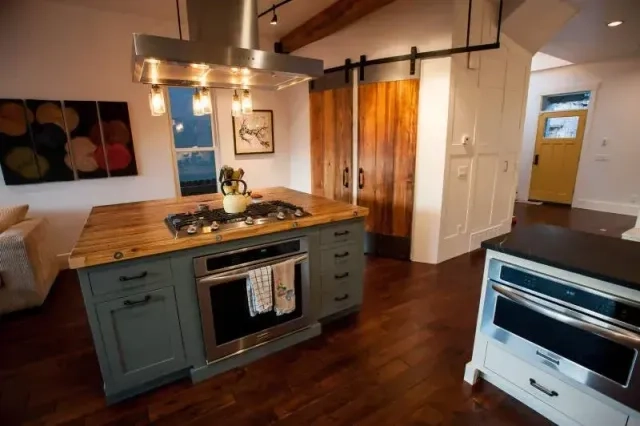
Modern Rustic Kitchen with Custom Island
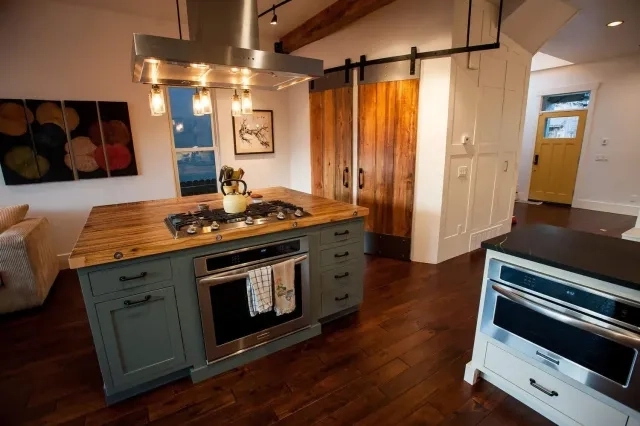
Modern Rustic Kitchen with Custom Island
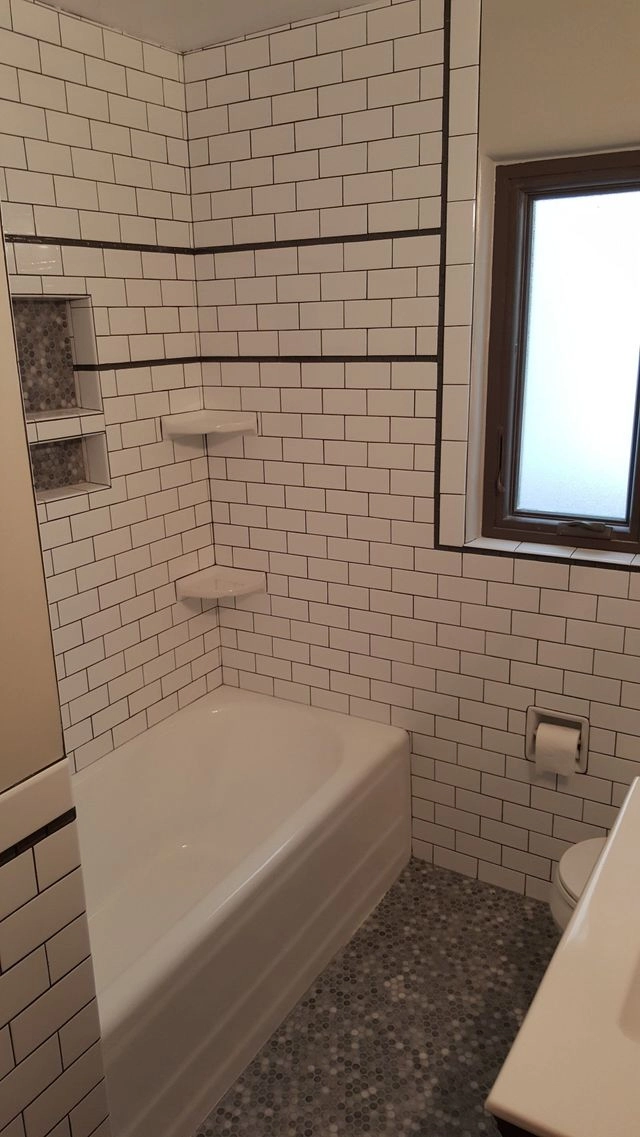
Modern Bathroom Renovation with Subway Tile
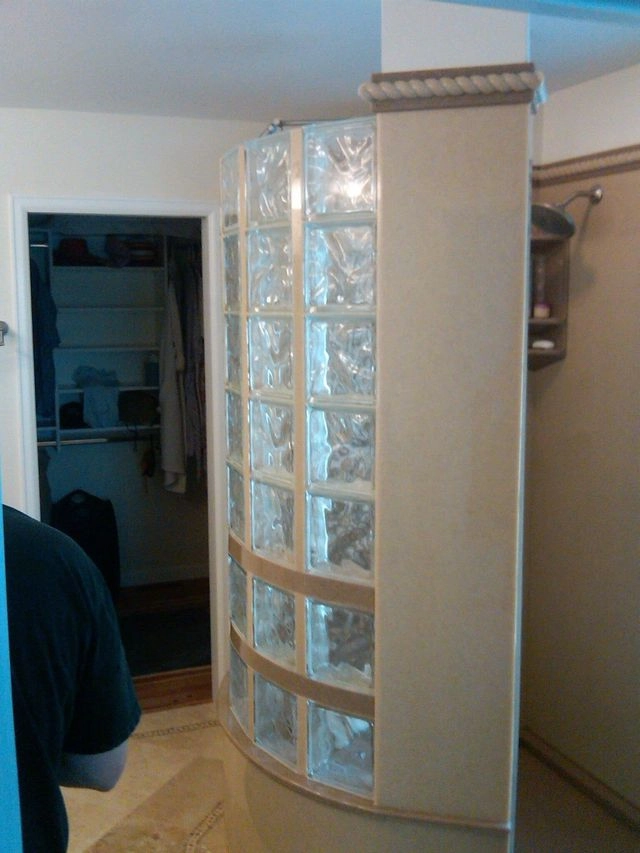
Custom Curved Glass Block Shower Wall
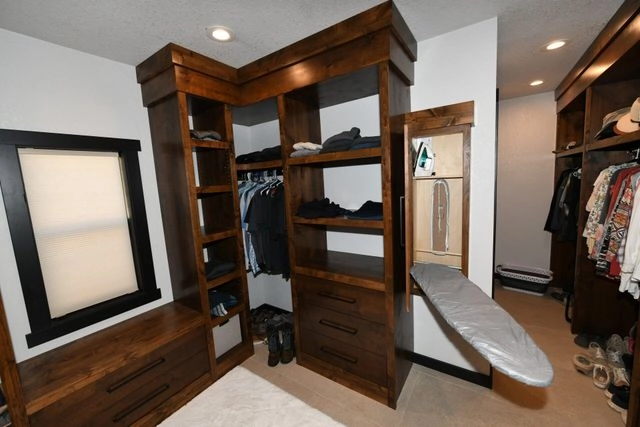
Custom Dark Wood Walk-In Closet Design
Sloped Lot Building FAQs
Answers to the most common questions we hear from landowners considering a hillside build in Southwest Colorado.
How to build on a steep slope safely?
Safe construction on a steep slope starts with a geotechnical engineering report that evaluates soil composition, bedrock depth, and slide risk. In the Pagosa Springs and Durango areas, we see everything from decomposed granite to high-clay soils that behave very differently under load. Proper erosion control — including silt fencing during construction and permanent French drains after — is non-negotiable. We also engineer retaining systems and grade the site so stormwater moves away from the foundation, not toward it.
What are the best foundation types for sloped lots?
The best foundation depends on your slope percentage and soil conditions. For moderate slopes in Southwest Colorado, stepped footings work well and keep costs manageable. Steeper sites often call for drilled caissons — concrete piers sunk into bedrock — which provide exceptional stability in our rocky San Juan Mountain terrain. Retaining wall systems handle grade transitions between the uphill and downhill sides. We always base the recommendation on a site-specific soil report, because what works on a granite hillside near Durango may not suit the clay soils common around Bayfield.
How much does a hillside walkout basement cost?
A walkout basement on a sloped lot in our area typically adds $40,000 to $80,000 over a standard slab foundation, depending on excavation complexity and retaining wall requirements. That said, it's one of the best investments you can make — you're gaining finished square footage at a fraction of above-grade construction cost per square foot. Many of our hillside walkout basement house plans in Pagosa Springs turn what would be unusable slope into living space with mountain views that dramatically increase the home's value.
Are down-slope house plans more expensive?
Down slope house plans do carry higher construction costs than flat-lot builds. The primary drivers are structural steel requirements for cantilevered sections, specialized forming for stepped foundations, and the added cost of grading a driveway to reach the upper entry level. In the San Juan Mountains, you can expect 15–25% over equivalent flat-lot construction. However, down-slope designs often capture the best views and allow walkout lower levels, so the cost premium translates directly into livability and resale value.
How do I know if a lot is buildable in Pagosa Springs?
Start with a slope analysis — anything under 30% grade is generally buildable with standard engineering, while steeper lots require specialized foundations. You'll also need to verify setbacks from property lines, roads, and any waterways. In Archuleta County, we pull soil tests to check for high-clay content or shallow bedrock, both of which affect foundation design. Our team performs site feasibility evaluations that cover all of these factors before you commit to a lot purchase, so you know exactly what you're working with.
What is a site feasibility study?
A site feasibility study evaluates whether your lot can support the home you want to build, and at what cost. We assess utility access — water, sewer or septic, electric, and gas — along with slope grade, soil conditions, solar orientation, and drainage patterns. The study determines the maximum buildable area within setback and zoning requirements. For sloped lots in La Plata and Archuleta counties, this step often saves owners tens of thousands of dollars by identifying challenges before design work begins.
Does building on a hill increase insurance costs?
Building on a hillside can affect your insurance premiums in two ways. First, many sloped lots in Southwest Colorado fall within wildfire mitigation zones, which may require defensible space clearing and fire-resistant materials — and can increase premiums. Second, some insurers add coverage for soil movement or landslide risk on steeper grades. Proper engineering and drainage systems reduce these risks significantly, and we design every hillside home with both structural integrity and insurability in mind.
What are the setbacks for sloped lots in La Plata County?
La Plata County requires standard setbacks of 25 feet from front property lines and 10 feet from side and rear lines, but sloped lots face additional considerations. Riparian setbacks of 50 to 100 feet apply near streams and waterways — common on mountain properties. Ridge-top parcels may have building height restrictions to preserve ridgeline views. Slope-specific zoning in some subdivisions limits disturbance area. We navigate these regulations daily and handle the permitting process so your project stays on track from the start.
Still have questions?
We're here to help you find the answers.
Serving the San Juan Mountain RegionPagosa Springs
Conveniently located for Southwest Colorado customers
Hours
Monday - Friday: 9am - 6pm
Saturday: 9am - 5pm
Sunday: Closed
Ready to Build on Your Mountain Lot?
From site feasibility studies to finished homes — we handle every step of building on sloped terrain in Southwest Colorado.