
Sustainable Building Materials for High-Altitude Mountain Climates
Build smarter at altitude with eco-friendly, durable materials engineered for Southwest Colorado's extreme weather and wildfire conditions.
High-Performance Materials for Extreme Weather
At 7,000 feet in the San Juan Mountains, building materials face conditions that would destroy products designed for lower elevations. Intense UV radiation, sub-zero temperatures, heavy snow loads, and wildfire risk all demand materials that perform under pressure. We've spent years testing and refining our sustainable house materials selection for the Pagosa Springs and Durango climate — choosing products that are both environmentally responsible and tough enough to last decades with minimal maintenance.
Insulated Concrete Forms (ICF)
ICF construction is one of the most effective sustainable house materials for Colorado mountain homes. The system uses interlocking foam forms filled with reinforced concrete, creating walls with built-in insulation on both sides. The thermal mass stores heat during the day and releases it at night — a massive advantage during Pagosa Springs winters where temperatures can swing 40 degrees in a single day. Our ICF house plans for the Durango area deliver R-values of R-23 to R-26 with virtually zero air infiltration, cutting heating costs by up to 50% compared to standard 2x6 framed walls. The concrete core also provides exceptional resistance to wind, hail, and fire.
Triple-Pane Glazed Windows
Windows are the weakest thermal link in any mountain home. Standard double-pane units lose heat rapidly when it's 20 below outside, and the condensation and frost buildup degrades frames over time. We specify triple-pane glazed windows with low-E coatings and argon or krypton gas fills for every high-altitude project. The difference in Pagosa Springs and Durango homes is dramatic — surface temperatures on the interior glass stay warm enough to eliminate cold drafts near windows, and whole-house energy consumption drops measurably. These units also reduce UV transmission, protecting interior finishes from the intense high-altitude sun that fades carpets and furniture.
Fire-Resistant Siding
In the wildland-urban interface surrounding Pagosa Springs, Bayfield, and Durango, fire-resistant siding isn't optional — it's essential. Fiber cement boards (James Hardie is our standard) carry a Class A fire rating and stand up to our extreme UV, temperature swings, and moisture without warping, cracking, or fading. For homeowners who want a more natural look, we use modified wood products like Accoya or Kebony that achieve fire resistance through non-toxic acetylation processes rather than chemical treatments. These durable materials for mountain homes combine wildfire safety with genuine wood aesthetics and 50-year performance warranties.
Reclaimed and Sustainably Harvested Timber
Nothing says mountain home like real wood, and using it sustainably is entirely achievable. We source reclaimed barn timbers and salvaged old-growth beams for accent features — mantels, trusses, and ceiling details — that carry decades of character no new lumber can match. For structural framing and exterior applications, we use FSC-certified Douglas fir and Engelmann spruce from Colorado's sustainably managed forests. Locally harvested timber keeps the supply chain short, supports regional mills, and reduces the carbon footprint of transportation. Combined with proper treatment for our dry high-altitude climate, sustainably sourced wood performs beautifully for generations.
Ready to Build with Sustainable Materials?
We've been specifying high-performance, eco-friendly materials for mountain homes across Pagosa Springs and Durango for years. Let's talk about your project.
Eco-Friendly Insulation and Systems
The building envelope is only part of the equation. What goes inside the walls — and how the home breathes, heats, and manages moisture — determines whether your sustainable house materials investment actually pays off. At altitude in Southwest Colorado, insulation and mechanical systems face demands that sea-level building science doesn't account for. Here's what works at 7,000 feet and above.
High-R Insulation for Altitude
The debate between spray foam and mineral wool takes on different dimensions at high altitude. Closed-cell spray foam delivers the highest R-value per inch (R-6.5 to R-7) and doubles as a vapor and air barrier — critical in our dry climate where even small air leaks cause significant heat loss. Mineral wool (Rockwool is our go-to brand) provides R-4.2 per inch but offers superior fire resistance, sound dampening, and moisture management. For most eco friendly house insulation projects in the Pagosa Springs area, we use a hybrid approach: spray foam at the rim joists and critical air-sealing points, mineral wool batts in the wall and ceiling cavities. This gives you the best thermal performance with the best fire safety and indoor air quality.
Energy Recovery Ventilators (ERV)
Tightly sealed, well-insulated homes need controlled ventilation — otherwise you're trading energy efficiency for indoor air quality. Energy Recovery Ventilators bring in fresh mountain air while capturing up to 85% of the outgoing air's heat energy. In Durango and Pagosa Springs, where winter air is extremely dry, ERVs also recover moisture from exhaust air, maintaining healthier indoor humidity levels without running a separate humidifier. We spec ERV systems on every high-performance build because at altitude, the pressure differentials between inside and outside air make passive ventilation strategies unreliable. Controlled mechanical ventilation is the only way to guarantee both efficiency and fresh air.
Passive Solar Design
Southwest Colorado gets over 300 days of sunshine annually, and at altitude that solar energy is significantly more intense. Passive solar design captures free heat through south-facing glazing and stores it in thermal mass — concrete floors, stone walls, or ICF construction — that radiates warmth back into the living space after sunset. We orient every home we design to maximize solar gain in winter when the sun tracks low across the southern sky, while using roof overhangs calculated to shade those same windows during summer. In Pagosa Springs, properly designed passive solar homes can reduce heating loads by 30–40%, making it one of the most impactful green housing materials strategies available.
Low-VOC and Non-Toxic Finishes
In a tightly sealed mountain home, indoor air quality depends heavily on the materials inside the building envelope. We specify low-VOC and zero-VOC paints, stains, and sealants throughout — products like AFM Safecoat and Benjamin Moore Natura that emit negligible volatile organic compounds. Cabinet and millwork adhesives are formaldehyde-free, and we use natural oil finishes on hardwood floors rather than polyurethane. The dry mountain air at altitude already stresses respiratory systems, so eliminating chemical off-gassing from interior finishes is both a health consideration and a quality-of-life investment that our clients notice immediately.
Choosing the Right Materials for Your Mountain Build
Every mountain building site has unique conditions that affect material selection. Elevation, aspect, exposure, and local microclimate all play a role. Here's how we match durable materials for mountain homes to the specific demands of each project.
Elevation and UV Exposure
UV intensity increases roughly 4% for every 1,000 feet of elevation gain. At Pagosa Springs' 7,100 feet, materials absorb 25–30% more UV radiation than at sea level. This accelerates degradation of standard vinyl siding, asphalt shingles, and wood stains. Our material selections factor in this UV premium — metal roofing with Kynar 500 finishes, fiber cement siding with baked-on color, and UV-stabilized deck boards from companies like TimberTech that warranty their products for high-altitude installation.
Freeze-Thaw Cycling
Southwest Colorado's mountain climate produces extreme freeze-thaw cycles — daytime temperatures above freezing followed by nights well below zero, sometimes with 50-degree swings in 12 hours. Materials that absorb moisture expand and contract with each cycle, cracking and spalling over time. We select products with low moisture absorption rates and proven freeze-thaw durability. Stone veneers from local quarries that have endured these cycles naturally for millennia are inherently suited. Manufactured products must meet ASTM C666 freeze-thaw testing standards to make our specification list.
Snow Load and Structural Integrity
Archuleta County requires roofs engineered for 60–80 pounds per square foot snow loads, depending on elevation and exposure. Material choice directly affects how we meet these requirements. Standing-seam metal roofing sheds snow efficiently and weighs a fraction of concrete tiles or heavy asphalt. ICF and structural steel framing handle the loads transferred through the roof structure without the dimensional lumber limitations of conventional framing. Every sustainable material we spec must perform structurally under these loads — aesthetics alone aren't enough at altitude.
Local Sourcing and Carbon Footprint
Transporting building materials to remote mountain sites carries real environmental and financial costs. A semi-truck navigating Wolf Creek Pass burns significantly more fuel than the same delivery on flat terrain. We prioritize materials sourced within Southwest Colorado and the Four Corners region whenever possible — stone from La Plata County quarries, timber from regional mills, and concrete from Pagosa Springs and Durango batch plants. Local sourcing reduces our carbon footprint, supports the regional economy, and gives us better control over material quality and delivery schedules.
Continue Your Research
Sustainable materials are one piece of building a high-performance mountain home. These guides cover the other critical decisions.
Cost to Build a Custom Home in Colorado
Complete breakdown of construction costs per square foot, including how sustainable material choices affect your overall budget in Southwest Colorado.
Read the guide →Design-Build vs. General Contractor
Learn why the design-build approach ensures your sustainable material selections are integrated from the earliest design stages, not value-engineered out later.
Read the guide →Building on Sloped Lots
How terrain affects material selection and foundation engineering for mountain homes in Pagosa Springs and Durango.
Read the guide →Sustainable Mountain Home Projects
See how we've integrated sustainable building materials into custom homes throughout Pagosa Springs, Durango, and the surrounding San Juan Mountain communities.
Our Recent Work
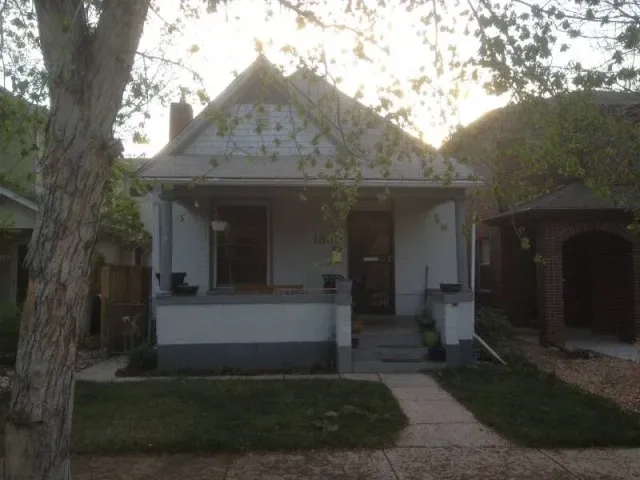
Small Residential Home Before Major Renovations
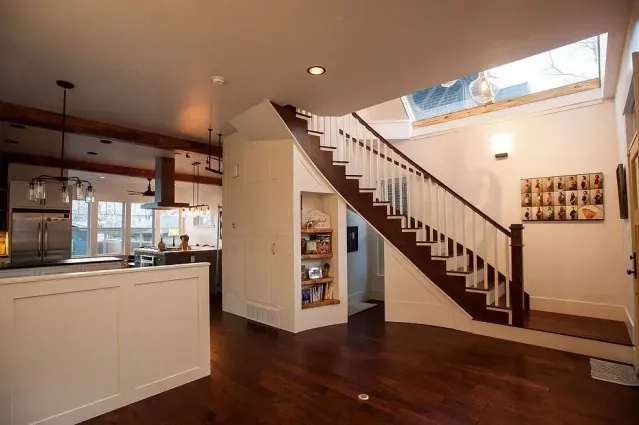
Modern Interior Design with Custom Staircase
Small Residential Home Before Major Renovations
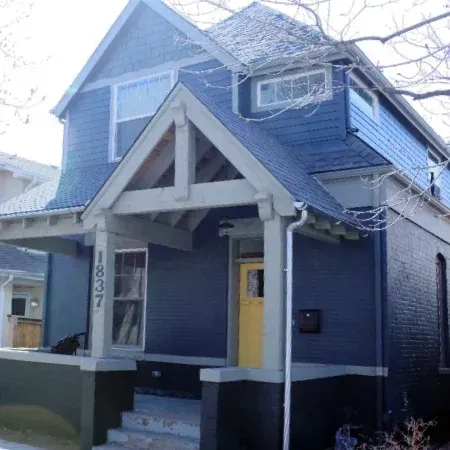
Modern Blue Exterior Home Renovation Project
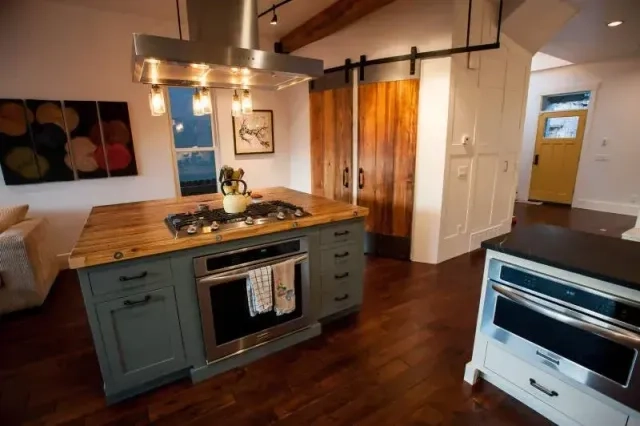
Modern Rustic Kitchen with Custom Island
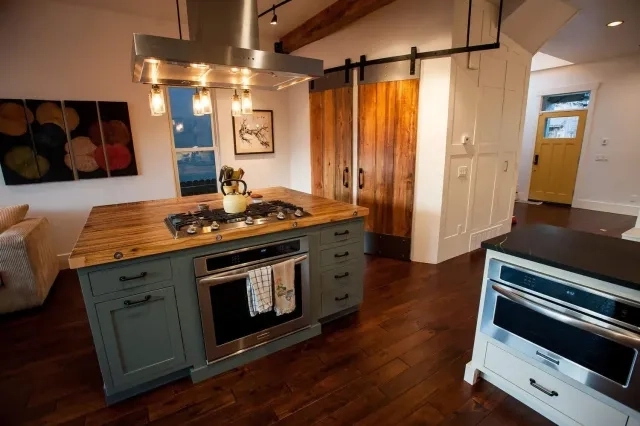
Modern Rustic Kitchen with Custom Island
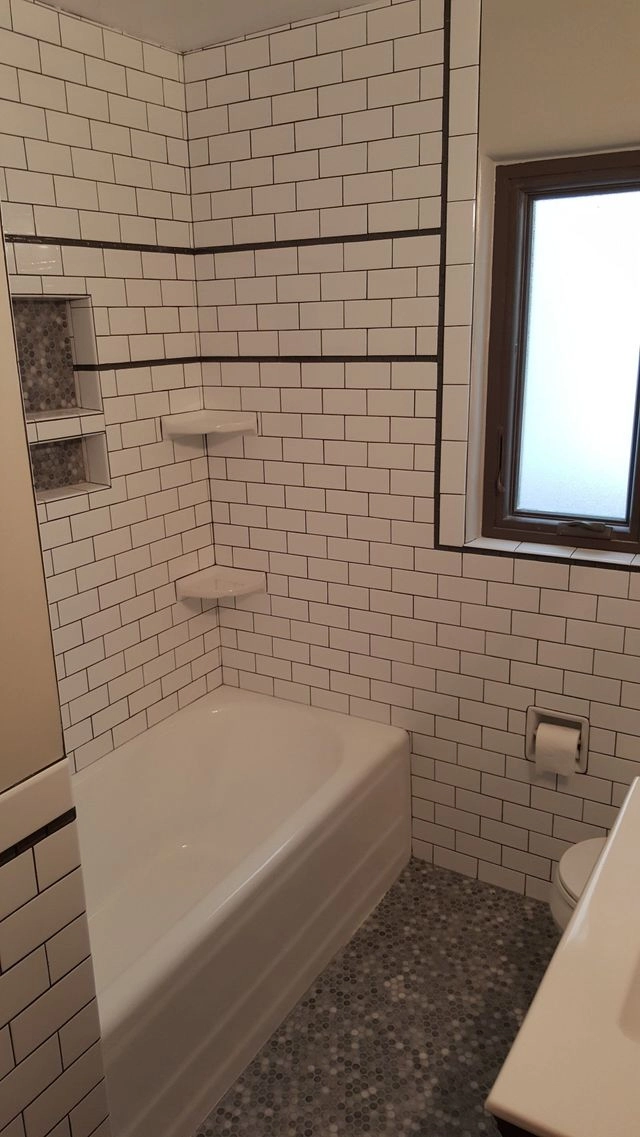
Modern Bathroom Renovation with Subway Tile
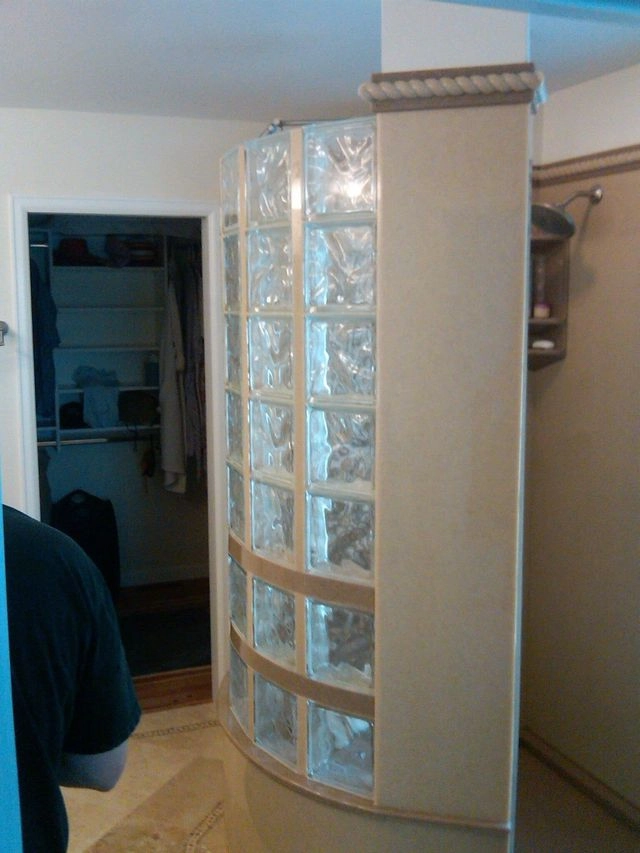
Custom Curved Glass Block Shower Wall
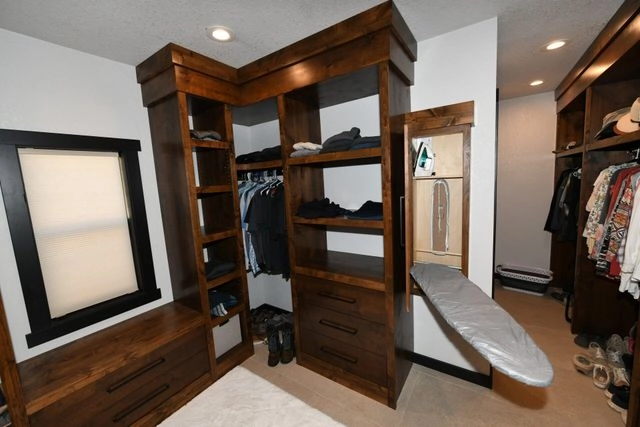
Custom Dark Wood Walk-In Closet Design
Sustainable Building Materials FAQs
Answers to common questions about eco-friendly and durable materials for high-altitude construction in Southwest Colorado.
What are the most sustainable building materials for Colorado?
The most sustainable building materials for Colorado mountain construction include Insulated Concrete Forms (ICF) for foundations and walls — they provide exceptional thermal mass and last indefinitely with zero maintenance. Recycled steel roofing stands up to our heavy snow loads and hail while being 100% recyclable at end of life. Locally sourced stone from quarries in La Plata County reduces transportation impact and blends naturally with the San Juan Mountain landscape. We also use FSC-certified timber harvested from sustainably managed Colorado forests, keeping the material supply chain short and the carbon footprint low.
What is the best siding for high altitude?
For high-altitude homes in Pagosa Springs and Durango, fiber cement siding from James Hardie is our top recommendation — it's Class A fire-rated, handles extreme UV exposure at 7,000+ feet without fading, and resists the freeze-thaw cycling that destroys lesser materials. Modified wood products like Accoya perform exceptionally well as durable materials for mountain homes, offering the warmth of real wood with a 50-year warranty against rot and dimensional stability even at our low humidity levels. Natural stone veneers sourced locally are another excellent option that requires virtually zero maintenance and provides timeless mountain aesthetics.
Are ICF house plans more expensive to build?
ICF house plans typically carry a 5–10% premium on material costs compared to conventional stick framing. However, that upfront investment pays for itself through dramatically lower heating and cooling bills — our ICF homes in Pagosa Springs see 40–50% reductions in energy costs compared to standard-framed homes at the same elevation. You'll also downsize your HVAC system significantly because the thermal mass of ICF walls holds temperature so effectively. Over a 10–15 year window, most homeowners come out ahead financially, and the comfort difference is noticeable from the first winter.
How does eco-friendly insulation perform in sub-zero temps?
Eco-friendly insulation performs exceptionally well in our sub-zero Southwest Colorado winters when installed correctly. Mineral wool is our preferred eco friendly house insulation for high-altitude builds — unlike fiberglass, it maintains its rated R-value even when temperatures drop well below zero. It's also naturally fire-resistant, which matters in our wildfire-prone region. That said, air sealing is actually more critical than insulation thickness at altitude. Our dry mountain air creates significant stack-effect pressure differentials, so we focus on creating a continuous air barrier before adding insulation layers.
Can I use solar energy in Pagosa Springs?
Pagosa Springs is one of the best locations in the country for solar energy. At 7,000 feet, the thinner atmosphere means solar panels operate at higher efficiency, and Colorado's 300+ days of sunshine deliver consistent production even in winter months. We integrate solar arrays into our sustainable house materials package, pairing rooftop panels with battery backup systems that keep your home running during power outages — a real advantage in rural mountain areas where grid reliability can be inconsistent. Many of our clients achieve net-zero energy bills within the first few years.
What are 'green' housing materials?
Green housing materials are products chosen for their reduced environmental impact across the full lifecycle — from harvesting or manufacturing through installation, use, and eventual disposal or recycling. This includes renewable resources like sustainably harvested timber, recycled content materials like reclaimed steel and recycled-glass countertops, and low-impact products like mineral wool insulation made from natural rock. The focus isn't just on the material itself but on lifecycle cost and carbon footprint. A durable material that lasts 50 years with no maintenance has a lower environmental impact than a 'natural' material that needs replacing every 15.
Is timber framing sustainable?
Timber framing is one of the most sustainable structural systems available when sourced responsibly. Wood is the only major building material that actively sequesters carbon — a timber-framed home stores CO2 for the entire life of the structure. We use FSC-certified wood from sustainably managed forests, ensuring that harvesting practices support long-term forest health. In Southwest Colorado, locally sourced Douglas fir and Engelmann spruce reduce transportation emissions while providing the structural strength needed for our snow loads. Timber framing also produces less construction waste than conventional framing.
Do sustainable materials help with wildfire protection?
Many sustainable building materials offer superior wildfire protection compared to conventional options. Class A fire-rated metal roofing, fiber cement siding, and ICF walls are all green housing materials that also create a fire-resistant building envelope. Ember-resistant soffit vents prevent the most common ignition pathway — burning embers entering the attic space. We design every mountain home in the Pagosa Springs and Durango area with fire resilience built into the material selection from day one, because in the wildland-urban interface, sustainability and survivability go hand in hand.
Still have questions?
We're here to help you find the answers.
Build a High-Performance Mountain Home
From ICF foundations to fire-resistant siding — we select and install sustainable materials engineered for Southwest Colorado's demanding climate.